How Indian SMEs Can Unlock the $12 Billion BESS Market by 2026
How Indian SMEs Can Unlock the $12 Billion BESS Market by 2026? A Good question and food for thought!
 Arvind Mohan
The Indian energy landscape is undergoing a seismic shift, and we are rapidly approaching a make-or-break moment for traditional battery manufacturers. As the nation accelerates its transition to a green grid, the demand for high-efficiency, sustainable energy storage is skyrocketing.
But a critical question remains: Will Indian Small and Medium Enterprises (SMEs) be the ones to build this future, or will they be left behind by global imports?
Here is a look at the data driving this transition, the technological pivot required, and how local manufacturers can secure their place in the global value chain.
The Numbers That Demand Action
The scale of India's renewable energy ambitions translates into massive manufacturing opportunities. According to official government and NITI Aayog projections, the numbers for the next decade are staggering:
Massive Storage Deficit: By 2032, India will require a total of 411 GWh of energy storage.
The BESS Boom: Out of that total, 236 GWh must come directly from Battery Energy Storage Systems (BESS), unlocking a projected $12 billion market by 2032.
EV Market Acceleration: The Electric Vehicle sector is projected to grow at a 49% CAGR leading up to 2030, eventually becoming a $200 billion market by 2035.
The demand is already here. The challenge is upgrading our local manufacturing capabilities to meet it.
The Pivot to "Smart" and Green Energy Storage
For years, Indian SMEs have been the backbone of traditional lead-acid battery assembly. However, to capitalize on the PM-Surya Ghar solar scheme and the booming EV market, a technological pivot is essential.
Lithium & Zinc Integration: Transitioning to Lithium-ion and emerging Zinc-based battery assembly offers the low-cost, fire-safe solutions required for India’s growing solar grid.
Advanced Lead-Acid: Policymakers heavily favor Lithium, but Advanced Lead-Acid batteries—when upgraded with smart Battery Management System (BMS) technology—remain a highly recyclable, locally manufactured alternative for long-duration grid storage.
Cell-to-Pack Mastery: Building LFP (Lithium Iron Phosphate) packs that meet stringent international quality standards is the only way to transition from local suppliers to global exporters.
Bridging the Gap: The Udaipur Summit
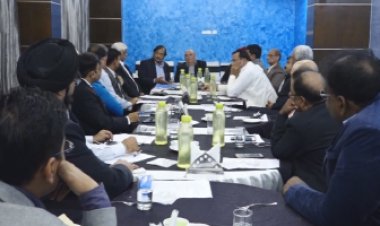
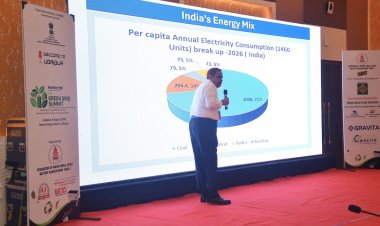
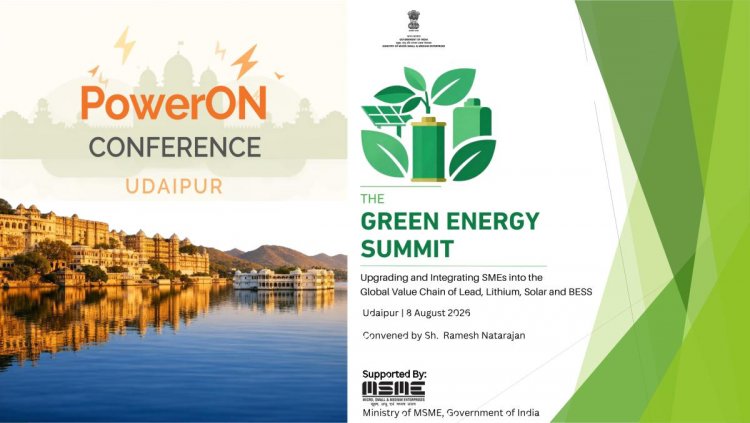
To help SMEs navigate this complex transition, we are hosting the Power On - The Green Energy Summit 2026 in Udaipur.
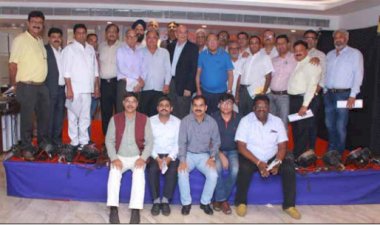
This is not just a networking event; it is a dedicated technology roadmap for the "Make in India 2.0" era. We are bringing together 150 industry leaders and international technical experts to ensure small Indian factories can secure the technology transfers necessary to compete with global brands.
What SMEs will take away:
Preferred Vendor Networks: Direct connections with reliable global cell and raw material suppliers.
BMS & Safety Software: MoUs for international technical partnerships focusing on smart battery integration.
Export Readiness: A practical blueprint to sell high-value batteries to the Middle East, Africa, and European markets.
The Bottom Line
The energy revolution will be decentralized, and Indian SMEs have the industrial base to lead it. By mastering cell-to-pack assembly, integrating smart BMS, and forging the right international partnerships, our local manufacturers can dominate the BESS and EV sectors for decades to come.
Join the movement to upgrade India's energy manufacturing core. We invite forward-thinking battery manufacturers, technical experts, and green energy stakeholders to join us in Udaipur for the Power On Summit.
This summit will dive deep into these opportunities with industry experts. Join us to navigate the future of energy storage.
♦View the Agenda and Register for the Summit Here